Table Of Content
- The Controversial Source of L-Cysteine: Human Hair
- Doctor shares simple hack to make white bread healthier: ‘This is the life advice I need!’
- FAQs about the ingredients used in bread production
- International Regulations on L-Cysteine
- What is the role of food safety authorities in overseeing commercial bread production?
- Is human hair used in any other food products?
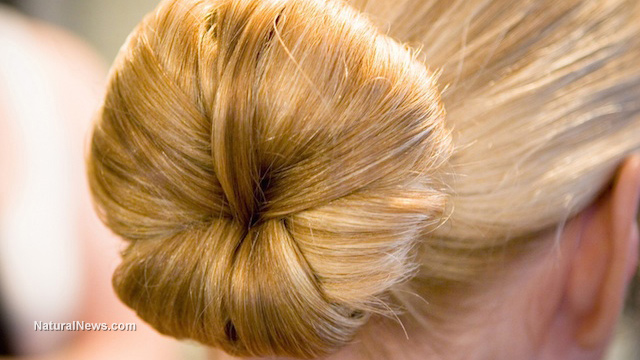
The wait is worth it, as the bread is warm and just the right amount of crusty. At the moment, Gusto is only available via pickup or delivery on Sundays, Wednesdays, and Fridays. To recreate the exceptional bread service at République, first head to the restaurant’s bakery counter for a crusty baguette from pastry goddess Margarita Manzke. Republique is currently offering pastries and breads through a takeout window from 9 a.m. These are high-grade formulas, made for wavy, curly, and afro hair (and everything in-between), but suitable for all hair types. However, the study claims that most of this originates comes from China, where it is gathered from barbershops and hair salons before being processed.
The Controversial Source of L-Cysteine: Human Hair
The first step in making bread is to mix together the dry ingredients, including the flour, salt, and any other dry ingredients. Yeast is a type of fungus that feeds on the sugars in the dough, producing carbon dioxide gas in the process. This gas causes the dough to rise, giving bread its characteristic texture. Bread, a staple in many cultures around the world, has been a part of our diets for centuries.
Doctor shares simple hack to make white bread healthier: ‘This is the life advice I need!’
The common ingredients used in commercial bread production include flour, water, yeast, salt, and sometimes additives for flavor and texture. Amino acids are the building blocks of life, but they're not all created in the same way. The hair—mostly gathered from the floors of hair salons in China, it seems—is dissolved in acid and, through chemical isolation, the L-cysteine is isolated, packed up and shipped off to commercial bread producers. The gag-inducing food production practice was first revealed in a little-known study published in 2016. However, it’s just now going viral as more consumers discover that amino acids (also known as L-cysteine), used to extend the shelf-life of commercial supermarket breads, are “commonly synthesized” from human hair. It may come as a surprise to some, but many common types of bread actually do not contain any human hair at all.
FAQs about the ingredients used in bread production
L-Cysteine – an amino acid used to prolong shelf-life in products such as commercial bread – can be found in duck and chicken feathers and cow horns, but most that's used in food comes from human hair. It has been reported that most of the hair used to make L-Cysteine comes from China, where it's gathered from barbershops and hair salons. You can avoid L-Cysteine by buying fresh bread from a local baker, as it is not an additive in flour. Steer clear of fast food places such as McDonald's, Dunkin' Donuts and Burger King too, who all use L-Cysteine as an additive.
These gross ingredients are lurking in your food - Stuff
These gross ingredients are lurking in your food.
Posted: Mon, 11 Jan 2016 08:00:00 GMT [source]
It is essential to rely on reliable sources and credible information to dispel such baseless claims. Instead, let’s focus on the actual ingredients that go into making bread. People are realising that the amino acids used to preserve food longer on the shelf, which are also known as L-cysteine, are “commonly synthesized” from human hair. Yes, food safety regulations in most countries are stringent and regularly enforced. The use of human hair in any food product would be strictly prohibited.
Flour, water, yeast, salt, and sometimes additional ingredients such as sugar, fat, or other flavorings are commonly used in bread production. To say that L-cysteine derived from human hair is in fact in bread is a bit of a stretch. None of the stories I read online that said human hair from China was in store-bought bread offered any real, substantial and verifiable evidence to support their claim. The main ingredients used in bread production are flour, water, yeast, and sometimes salt or sugar. That is a little odd because according to the Food Standards Agency the European regulation specifies that only L-Cysteine produced from duck and chicken feathers or from pig bristles can be used.

Beyond the bakery, when taken as a supplement — usually in the form of N-acetyl-L-cysteine (NAC) — the human body processes these amino acids into into glutathione, a powerful anti-oxidant. My vegetarian friend claims that the problem with E920 is that - even when it is used - it doesn't have to be listed in the ingredients. She says that's because it is broken down in the baking process so the manufacturers argue that doesn't constitute an ingredient. There is a wide range of alternative bread options available to accommodate various dietary restrictions, including gluten-free, vegan, and keto-friendly breads, among others. However, some bread variations may contain milk, eggs, or honey, making them unsuitable for individuals following a vegan or vegetarian diet. Consumers should carefully read the product’s ingredient label to determine what ingredients are used in their bread.
Apparently it is - so long as the hair in question was not harvested from dead bodies. In fact, as Vice reported, most of them are acquired from human hair which is swept up from the floors of salons in China. Examples include the idea that certain foods can magically burn fat or that microwaving food can cause it to become toxic. For women, the hair may grow in places where men often have a lot of hair, but women often don’t. For many, a human hair wig is an investment that the wearer hopes to use for a long time. Luckily with the proper care, human hair wigs tend to last more than a year when worn daily and up to three years when worn occasionally.
Yes, additives used in bread production are subject to strict regulatory oversight and must be listed on the product’s ingredient label. Consumers can easily determine which additives are used in their bread. Consumers who are concerned about the ingredients used in commercial bread production can choose to bake their own bread at home using simple, wholesome ingredients.
She then went on to say that you don’t see L-cysteine listen on bread packaging because you don’t have to list an ingredient that is used to make another ingredient. Critical thinking, consulting reliable sources such as scientific research or reputable food authorities, and sharing accurate information can help debunk myths and rumors surrounding food. It’s important to rely on evidence-based knowledge when making judgments about the food we consume. To verify the accuracy of food-related rumors or myths, it is essential to consult trustworthy sources such as recognized food experts, regulatory agencies, or scientific studies.
Human hair could be used instead of chemical fertilizers for some plants like lettuce, new research in a horticultural journal suggests. The hair, which is manufactured into cubes from barbershop and hair-salon waste, provides nitrogen for plants as it decomposes, just as natural-gas-derived sources like ammonia do. “Hair can be an indicator of lack of sanitation at the facility where the food was prepared,” says Archie Magoulas, a food safety specialist at the USDA’s Food Safety and Inspection Service. For Magoulas, the bottom line is to trust your gut if you want to avoid problems with it.
While gelatine, made from boiling animal bones, is also found in some breakfast cereals, to make the sugar stick. It seems there are chemical alternatives today, but the researchers claim some companies may still be using the scent without declaring it. Castoreum, used by beavers to scent their territory, has featured in food and fragrances for 80 years. A study has lifted the lid on some of the bizarre ingredients used by the food industry, beauty giants and others. Still, imagine being the first person who saw the soft, merkin-like piles of fallen hair on the salon floor and thought, yeah, I can make bread with that. When you're sweeping up the last crumbs of your toast from store-bought sliced bread tomorrow morning, just think, this could have been someone's ponytail once.

The hair-derived ingredient, while a common additive in commercial supermarket breads, can be avoided by opting for fresh bread from local bakeries, as it is not a prevalent additive in flour. According to the FDA, L-Cysteine is generally regarded as safe for consumption. This amino acid is commonly used as a dough conditioner in bread-making, as it helps to improve the texture and shelf-life of bread. L-Cysteine can be derived from a variety of sources, including human hair, duck feathers, and hog hair. It is important to note that the use of L-cysteine in bread production is not exclusive to human hair. In fact, the majority of L-cysteine used in food production today is synthetic or derived from other sources such as duck feathers or fermentation processes.
It can help to create a softer, fluffier texture and can give bread a more uniform shape and color. From bread to bialys and buns, just about everything coming out of Gjusta’s ovens is superbly delicious. With over 10 different varieties on offer each day, including seeded rye, ciabatta, and rice and teff, mix and match for maximum flavor.
So, when you swallow small strands of hair accidentally, they just end up passing out of the body with other undigested food. Traces of arsenic can actually be found in both beers and wine that are clearer in colour. That's because they will have been filtered to get rid of plant matter and leftover yeast; most people don't want to drink a cloudy pinot grigio after all. To filter, beer and winemakers use diatomaceous earth, a natural product that contains iron and metals; hence the arsenic.
Along with having a high amount of iron, fiber and B vitamins, bread also includes a surprisingly high amount of protein, calcium, thiamine, manganese and zinc. White bread is also considered a significant source of folate, which is essential during pregnancy, when it's recommended to get at least 400 micrograms a day. Whether it's white, wheat or even sourdough, all bread contains fiber—an essential nutrient the body needs for better digestion, gut health and even weight management. However, some types of bread, such as 100% whole-wheat and whole-grain bread, contain more fiber than others.




No comments:
Post a Comment